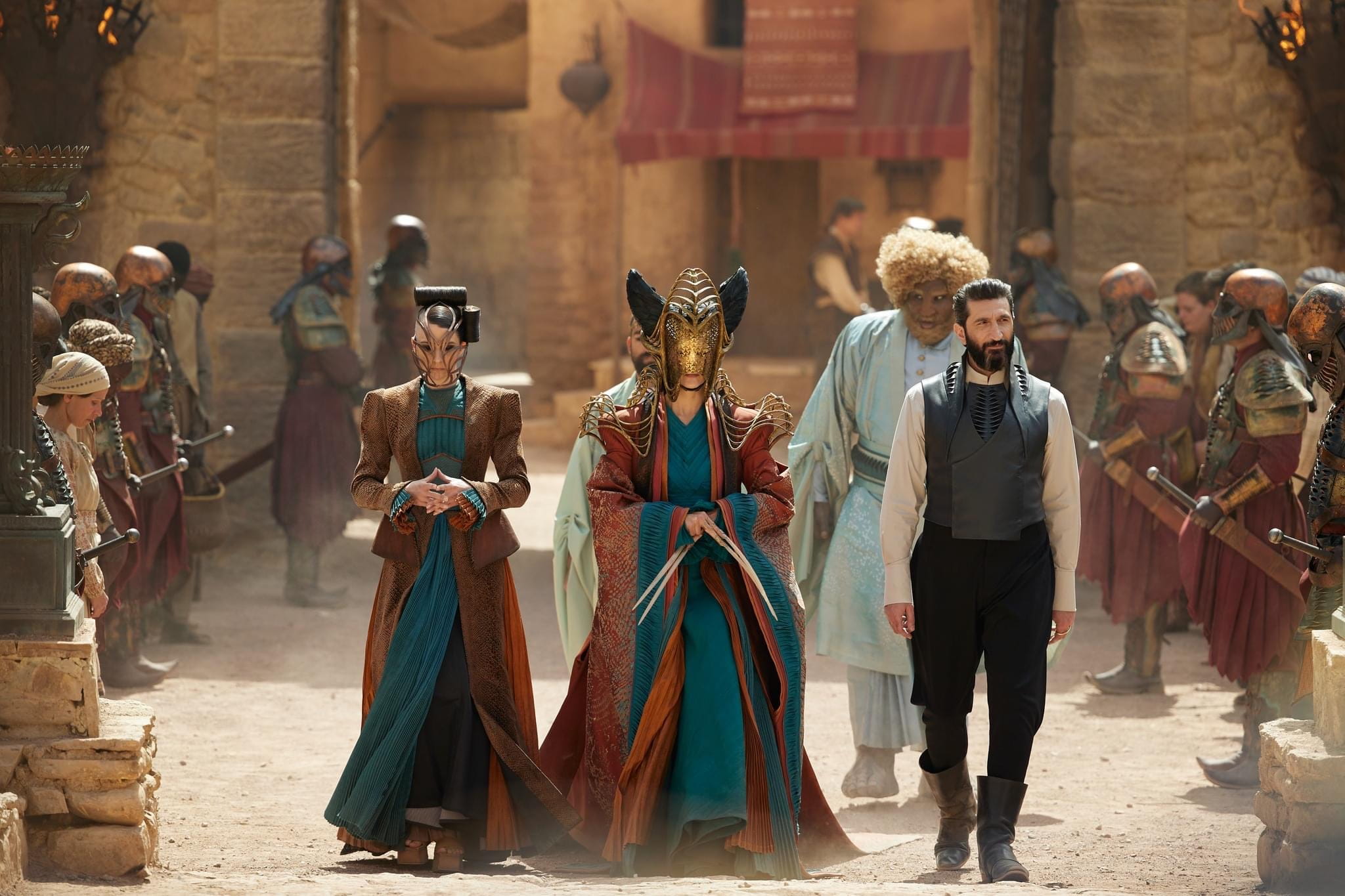

For decades, Morocco has occupied a singular place on the global cinematic map. Not as a substitute, not as a shortcut, but as a destination where storytelling gains scale, texture, and credibility. At the heart of this ecosystem lies Ouarzazate, a territory that has shaped some of the most ambitious productions in modern film history. More than a backdrop, it is an operational stronghold where landscapes, infrastructure, and craft converge. For producers and studios seeking control, authenticity, and cinematic depth, Ouarzazate represents a strategic advantage. At Pink Sheep Productions, our relationship with this region is not theoretical. It is built on lived experience, precision planning, and an understanding of what international productions truly require.
A Territory Designed for Cinema, Not Adapted to It
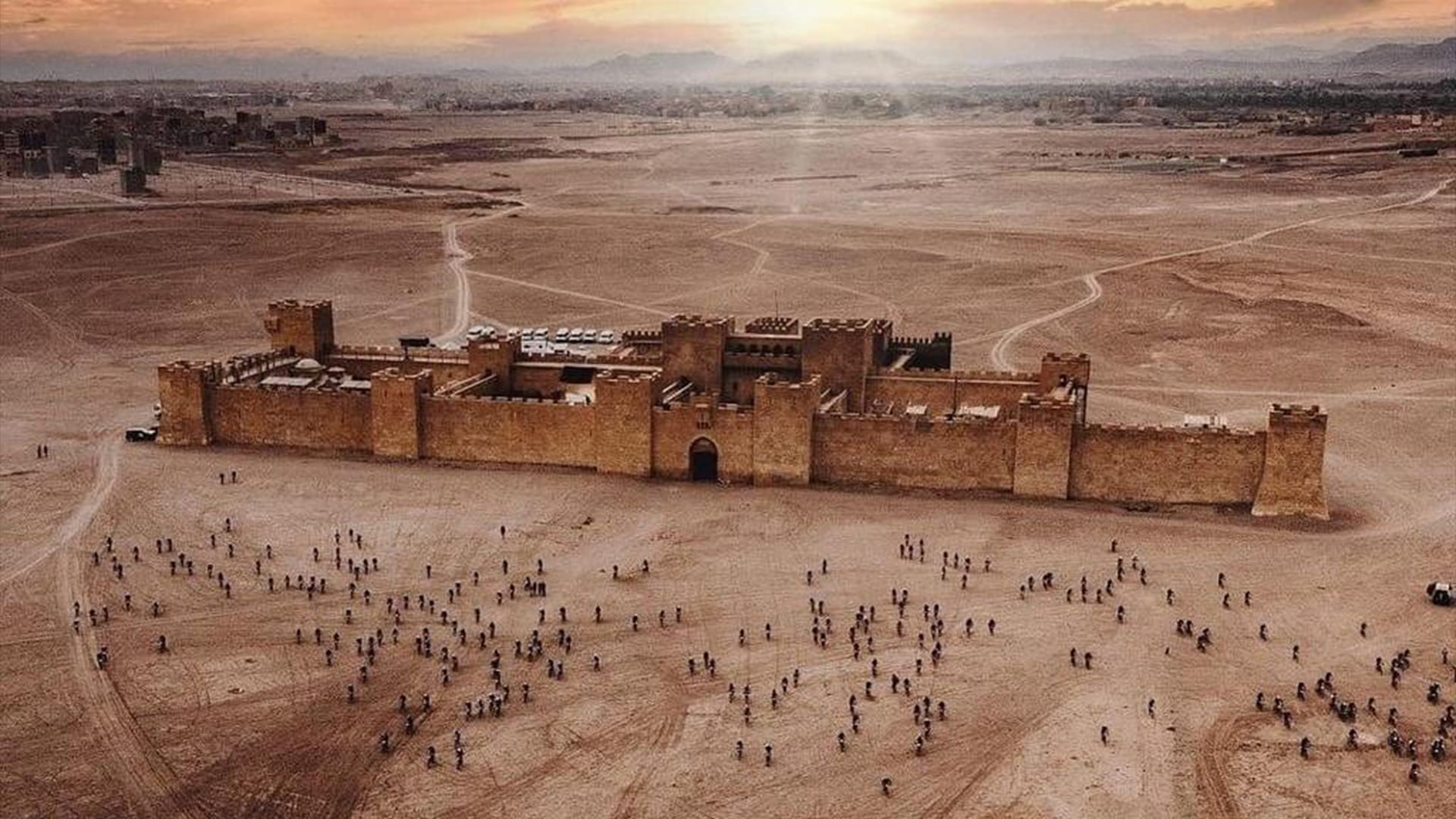
Long before global production incentives became a trend, Ouarzazate was already hosting large-scale international films. Its geography feels almost composed rather than discovered. Desert plains open into mountain ranges. Ancient kasbahs coexist with purpose-built backlots. Light behaves with a rare consistency, offering long shooting days and controlled contrasts that cinematographers value deeply.
What makes this region exceptional is not only its visual power, but its readiness. Roads, access points, and production corridors have been shaped over time to accommodate heavy logistics. Large crews move efficiently. Equipment circulates without friction. This is not a place that imitates cinema. It has grown alongside it.
For filmmakers, that distinction matters. Locations here do not merely look cinematic. They function cinematically.
Ouarzazate as a Global Stand-In Without Losing Its Identity
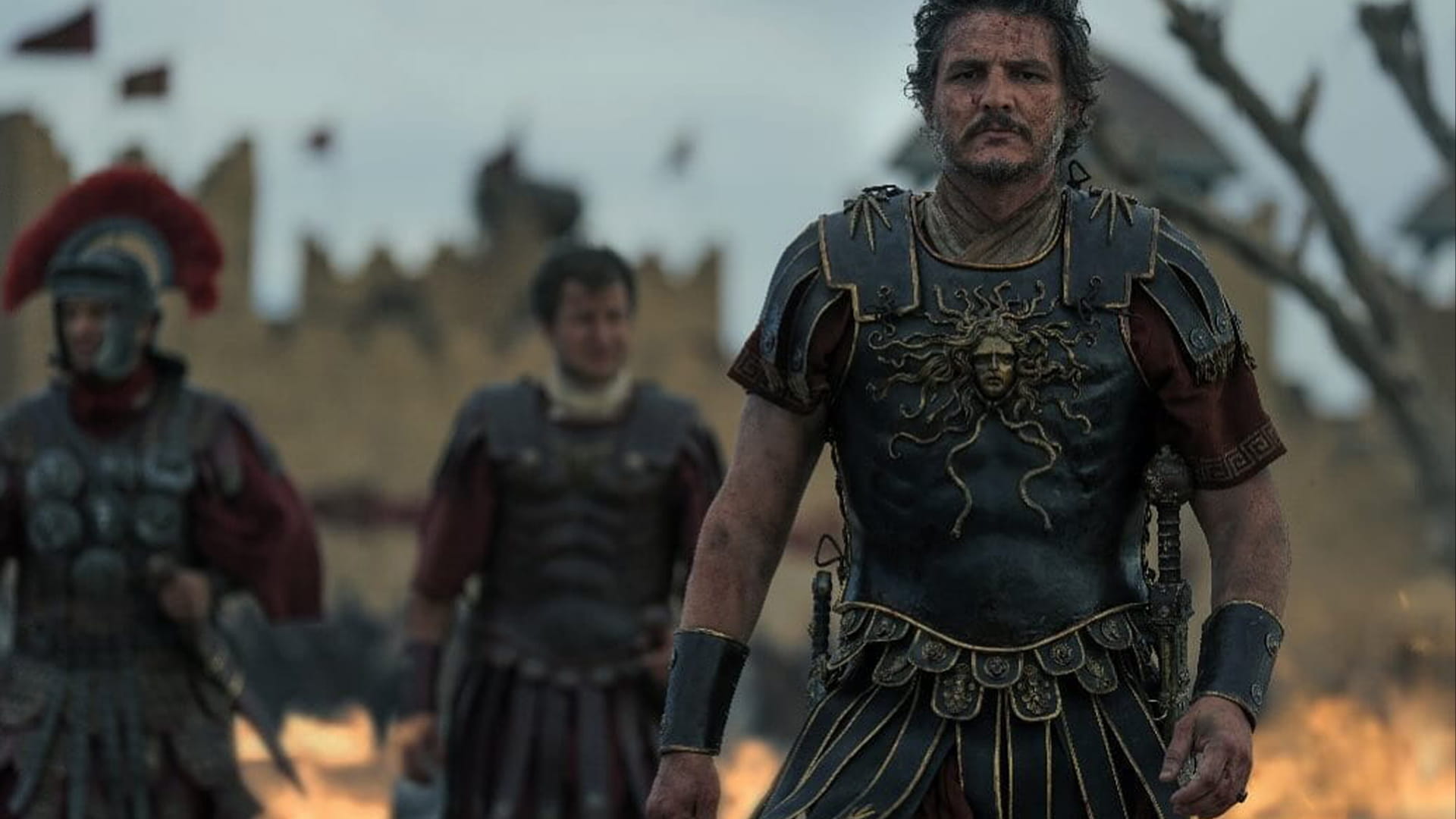
One of the enduring strengths of Ouarzazate as a filming destination is its ability to embody multiple geographies while retaining a strong sense of place. It has doubled for ancient civilizations, Middle Eastern cities, biblical landscapes, and futuristic worlds, often within a single production.
This versatility is not accidental. It is the result of geological diversity combined with architectural heritage and controlled development. Directors can transition between eras and continents without compromising narrative coherence. Production designers find depth rather than repetition. The environment supports storytelling rather than overpowering it.
Crucially, this adaptability does not erase authenticity. Even when standing in for another country or era, the texture remains grounded. That balance between transformation and truth is what continues to draw major studios back.